Historical Monuments in Xanthi: A Journey Through Time
There are many historical monuments in Xanthi worth visiting, as the city is rich in history, culture, and unique landmarks that bear witness to its past. From Byzantine castles and traditional neighborhoods to monasteries and historic buildings, Xanthi offers visitors a living map of the history of Thrace and Greece, making every visit unforgettable.
1. The Old Town of Xanthi
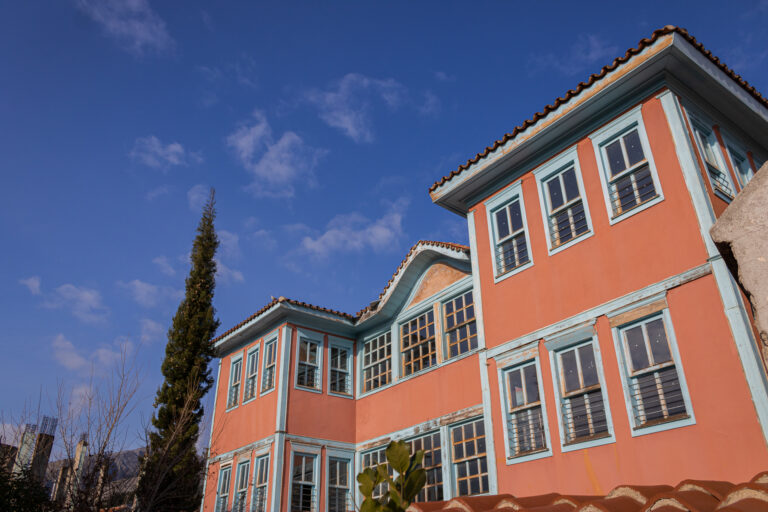
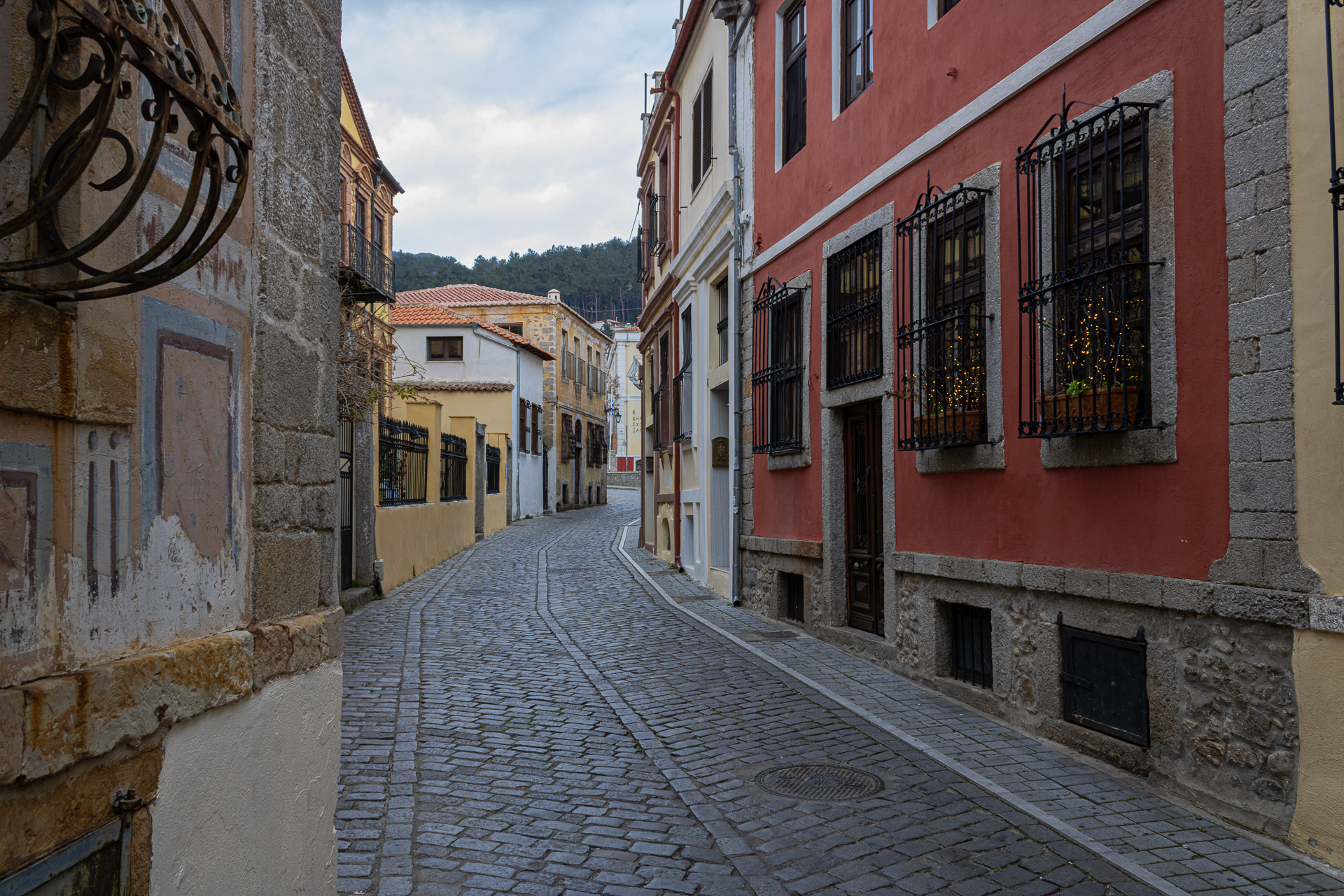
The Old Town is the most vibrant historical part of Xanthi. Its construction began in 1830 and it developed with economic prosperity mainly from trade and tobacco cultivation. Today, the narrow cobbled streets, mansions, and old tobacco warehouses create a unique environment that combines the past with the present. Visitors can experience the history and tradition of the city through its architecture and everyday life.
2. Democracy Square and Clock Tower
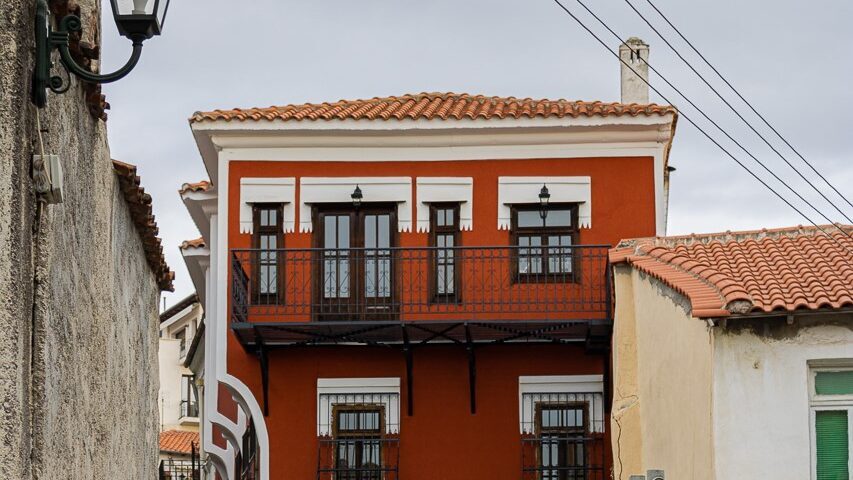
In the center of the city is Democracy Square, one of the most characteristic historical sites in Xanthi. The Clock Tower dominates the square, built in 1859 by Haji Emin Aga as a tribute to the central mosque that once stood in the city. The tower is an important example of the Ottoman presence and the historical development of Xanthi over the centuries.
3. Byzantine Castle of Xanthi
The Byzantine castle, dating back to the 12th century, is located on a hill north of the city and was of strategic importance for controlling the Nestos River valley. Today, its ruins, surrounded by nature, offer a unique exploration experience for visitors who love history and adventure.
4. Traditional Settlement of Samakov
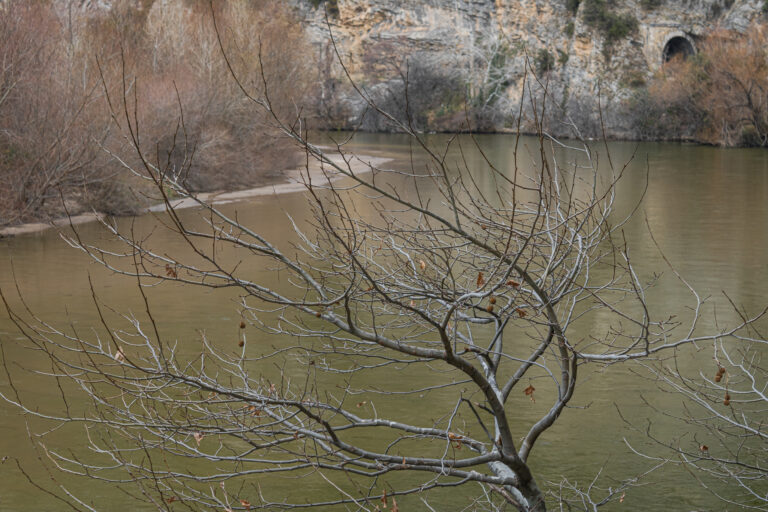
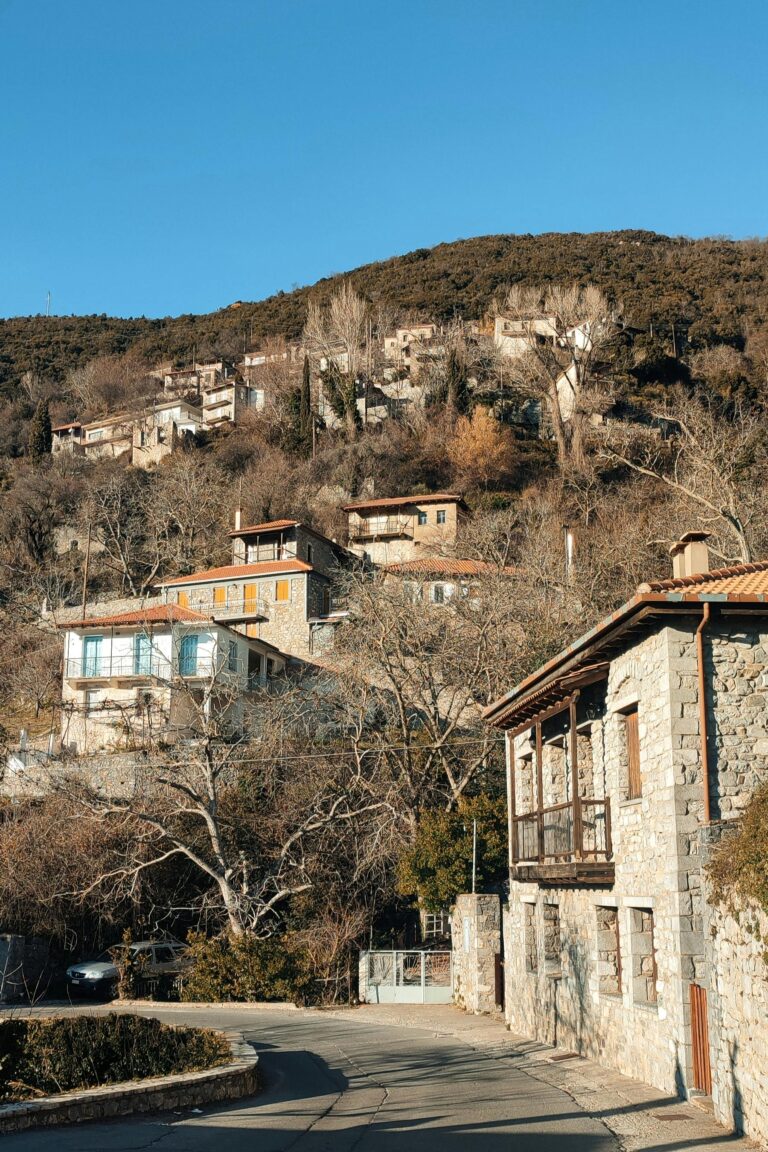
The traditional settlement of Samakov, with a history dating back to the 16th century, owes its name to the mining activities of its inhabitants. Located next to the Kosynthos River, it offers an interesting combination of natural landscape and historical context, allowing visitors to discover aspects of life in old Xanthi.
5. Folklore & History Museum
In the heart of the Old Town are the historic residences of the tobacco merchants Kuyumtzoğlu and Kaloudis, which house Folklore and History Museum. There, the luxurious houses of the 19th century are recreated and the daily life, customs, and traditions of Thrace are presented, offering visitors a deeper understanding of the local heritage.
6. Birthplace of Manos Hadjidakis
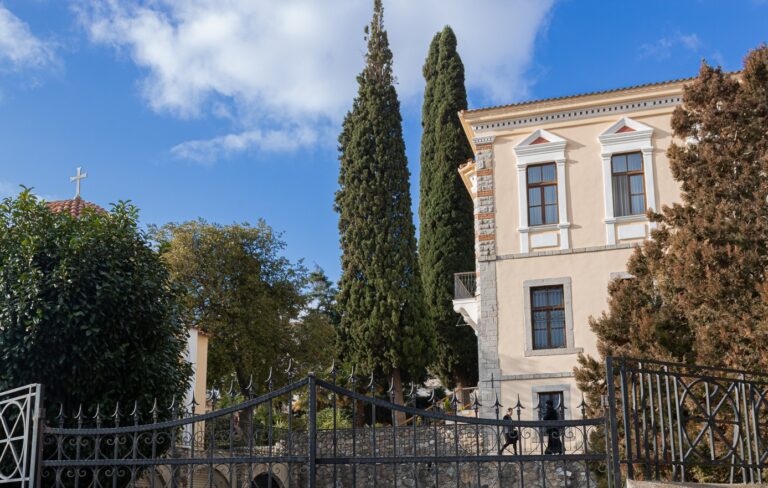
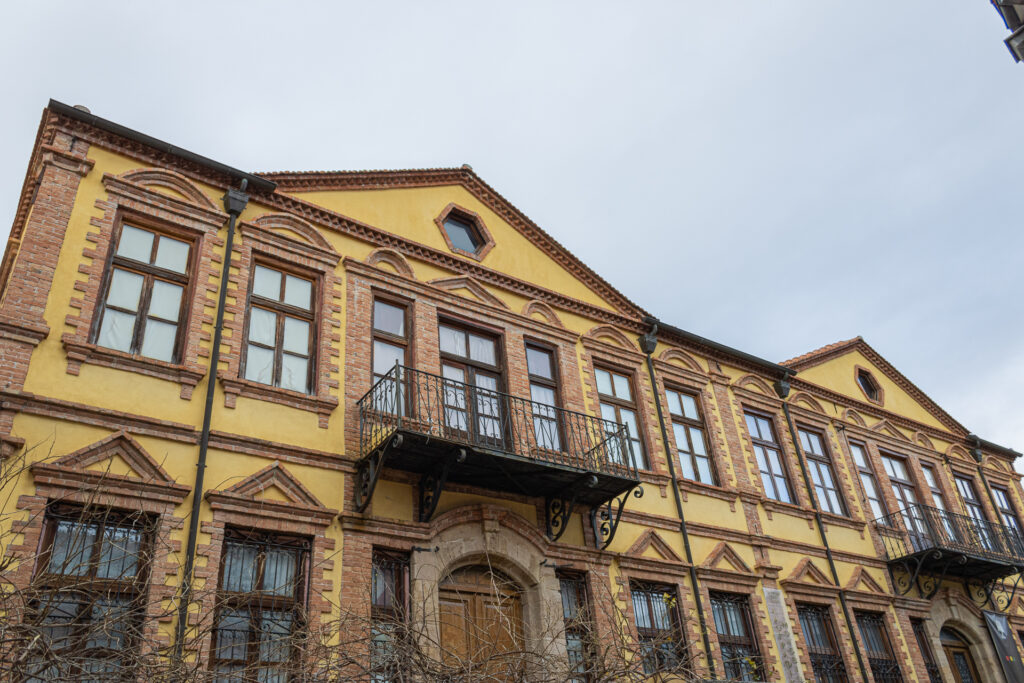
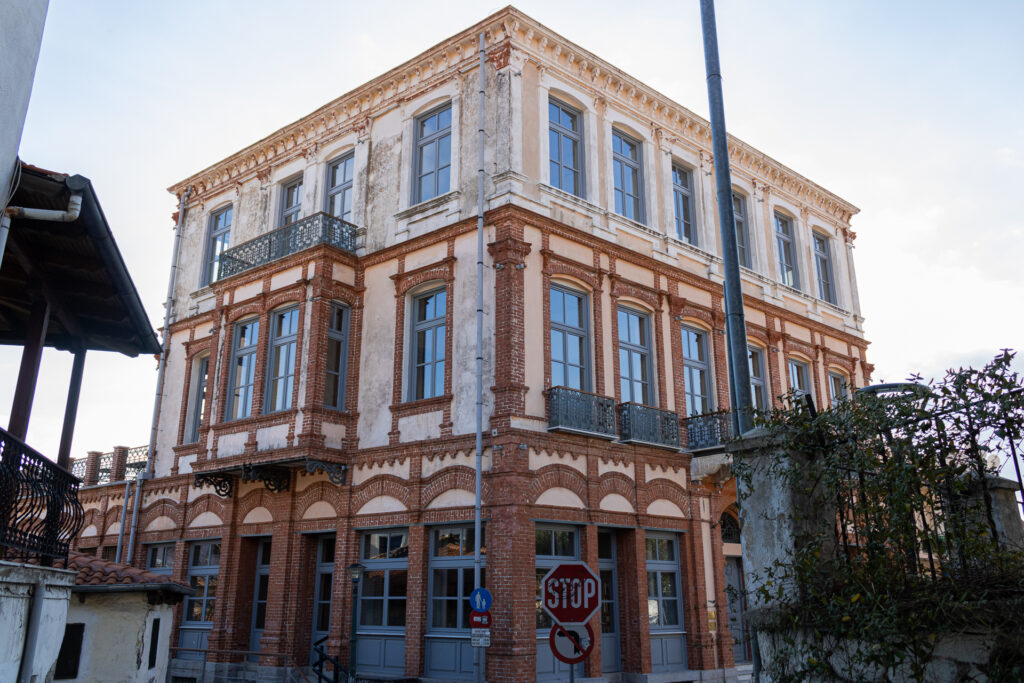
A particularly noteworthy cultural monument is the Birthplace of Manos Hadjidakis, the world-famous composer. This neoclassical mansion is important both for its architecture and for its connection to the history of Greek music and culture.
7. Religious monuments and monasteries
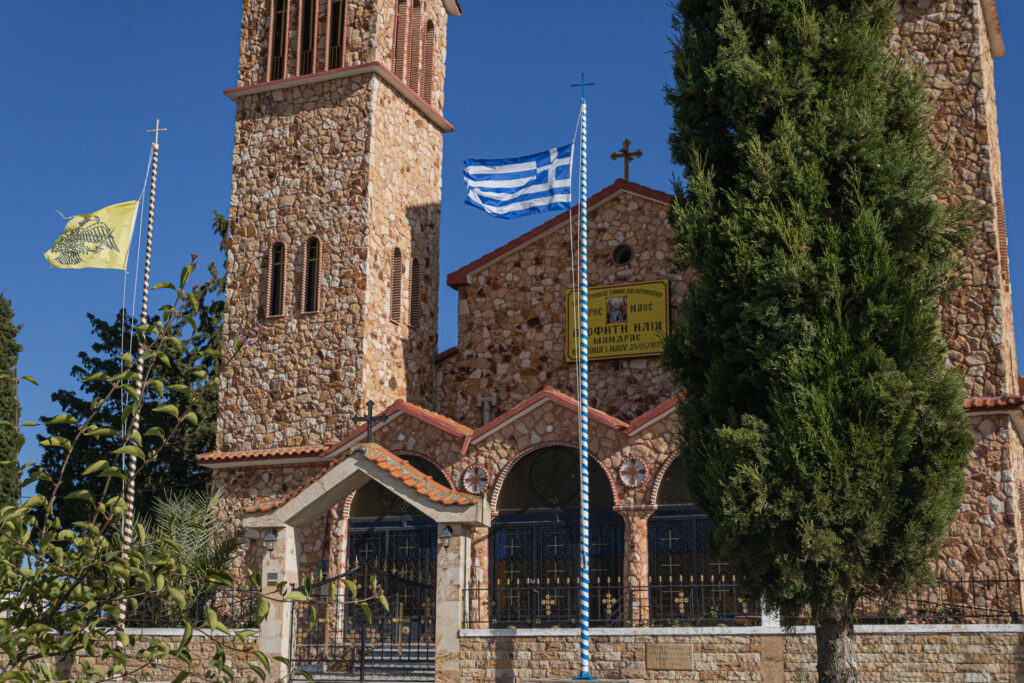
The Monastery of Panagia Archangelissa, built above the Samakov area, is an important religious monument with a remarkable history and an ecclesiastical museum, where relics from the late Byzantine period are exhibited. At the same time, a number of other churches and monasteries, such as the Monastery of Panagia Kalamou and the Monastery of Agia Irini, complete the religious landscape of the area with remarkable architectural and historical values.
8. Hamidiye Bridge
Just outside the city, the Hamidiye Bridge is one of the most characteristic Ottoman monuments in the area. Built in 1904 over the Kosynthos River, it is known for its unique architecture and history, which is linked to the events of the early 20th century in the region.
Xanthi harmoniously connects the past with the present.
Its historical monuments showcase the multifaceted history of Thrace, from the Byzantine era to the Ottoman period and modern Greece. Each monument is an opportunity to learn more about the identity and culture of this unique city.